Even cheap boxes seem perfectly usable, contends Microsoft
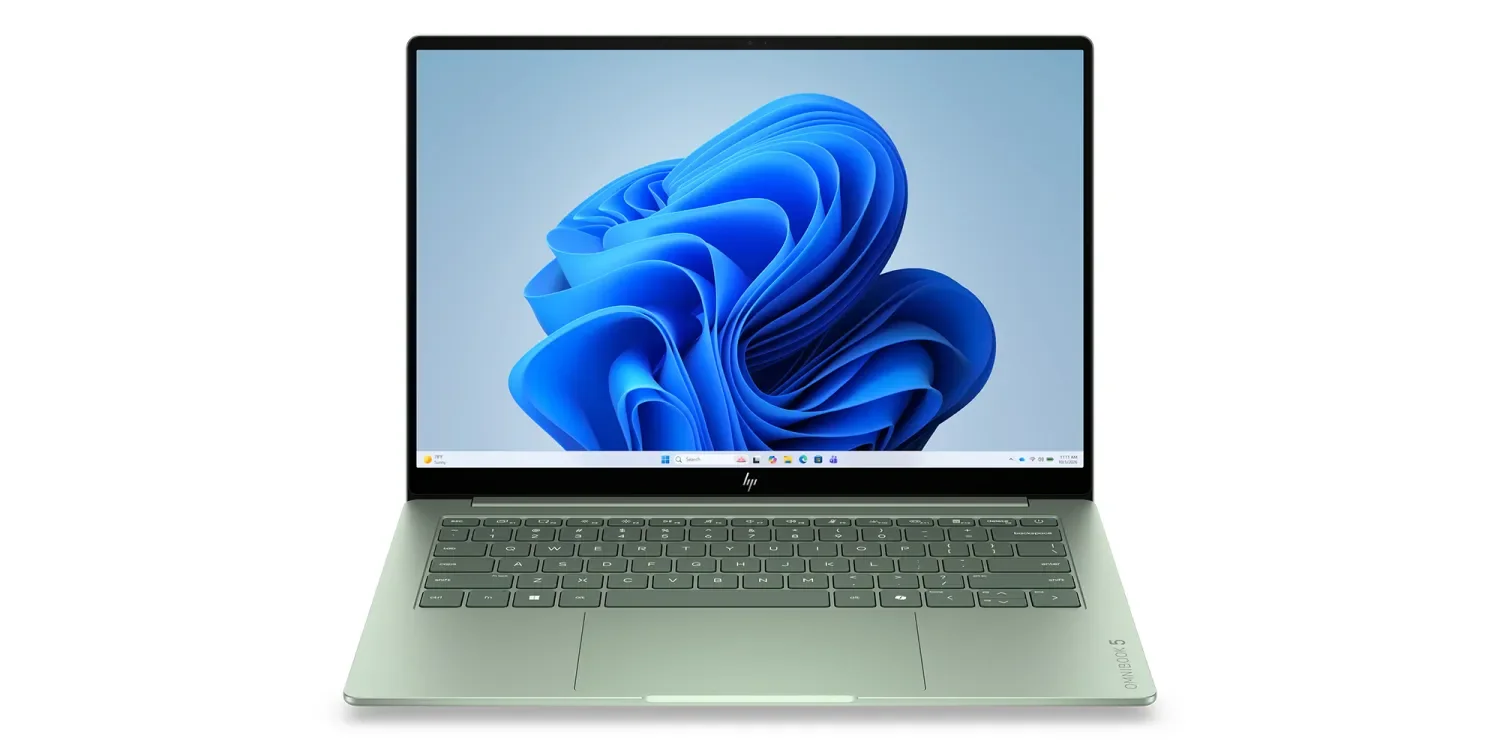
Microsoft is arguing that low-memory Windows machines no longer deserve their poor reputation. For years, eight gigabytes of memory was the point where a budget laptop...
Microsoft is arguing that low-memory Windows machines no longer deserve their poor reputation. For years, eight gigabytes of memory was the point where a budget laptop started to thrash under a browser with too many tabs, and buyers were told to avoid anything below sixteen. The company's argument is aimed at buyers who mainly browse, write documents and join video calls on a laptop.
The improvement comes from several directions at once. Background services are managed more aggressively, browsers suspend inactive pages, and the operating system itself has become more careful about what it keeps in memory. Combined, those changes make modest hardware feel less strained during ordinary work such as documents, video calls and email. Its guidance still recommends more memory for anyone who multitasks heavily or runs virtual machines on a regular basis.
That does not make memory irrelevant. Heavy editing, virtual machines and large development environments still want headroom, and soldered memory cannot be upgraded later. The practical reading is that entry-level machines are fine for light tasks, provided buyers keep their expectations, and their tab counts, modest. Retail listings often confuse the picture, because the same model name can ship with different memory configurations in different regions.