No screen, no app: a reveal is coming from Nothing
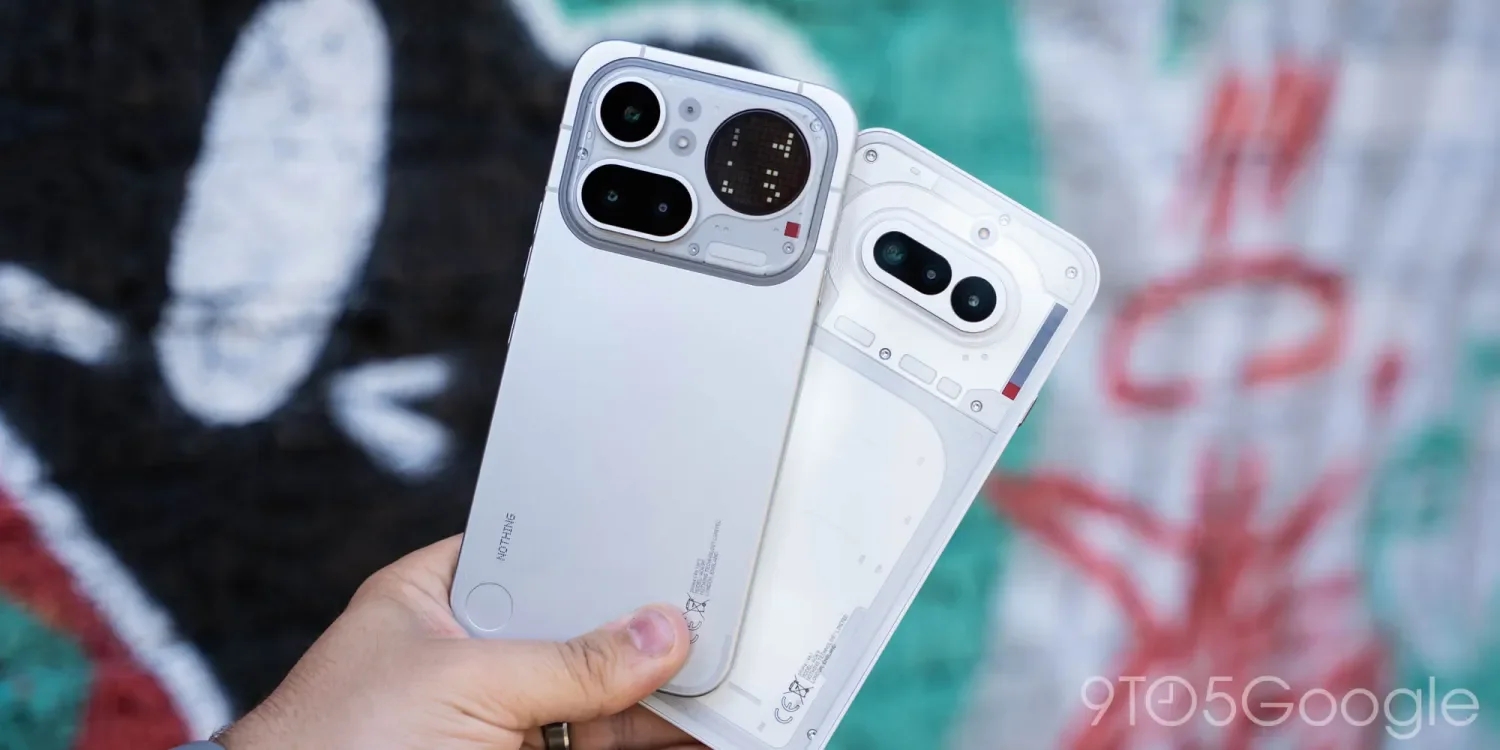
Nothing has confirmed that its next product will arrive without a display, and the company is framing the launch as something that could not simply have been an app. The...
Nothing has confirmed that its next product will arrive without a display, and the company is framing the launch as something that could not simply have been an app. The teaser points toward a dedicated piece of hardware, using the absence of a screen as the hook rather than as a limitation to be apologised for. The teaser avoids specifications, which is unusual for a company that normally leans on hardware detail in its marketing.
Screenless gadgets are an interesting corner of the market. Ambient devices, wearables and small AI companions all promise to reduce the time people spend staring at glass, relying on voice, light or touch instead. The catch is that such products must justify their existence every day, because a phone can already do most of the same work. Analysts have speculated about a device that handles simple interactions without asking people to unlock a phone.
Nothing has built its reputation on unusual industrial design and a willingness to poke at convention, so the form factor fits its brand. The open question is whether the device solves a real problem or simply demonstrates a clever idea. Buyers will judge that quickly once the details arrive. Success would depend on habit formation, since a gadget that must be remembered rarely survives the first month of ownership.