Complaints about toughness fail to dampen appetite for a pricey foldable
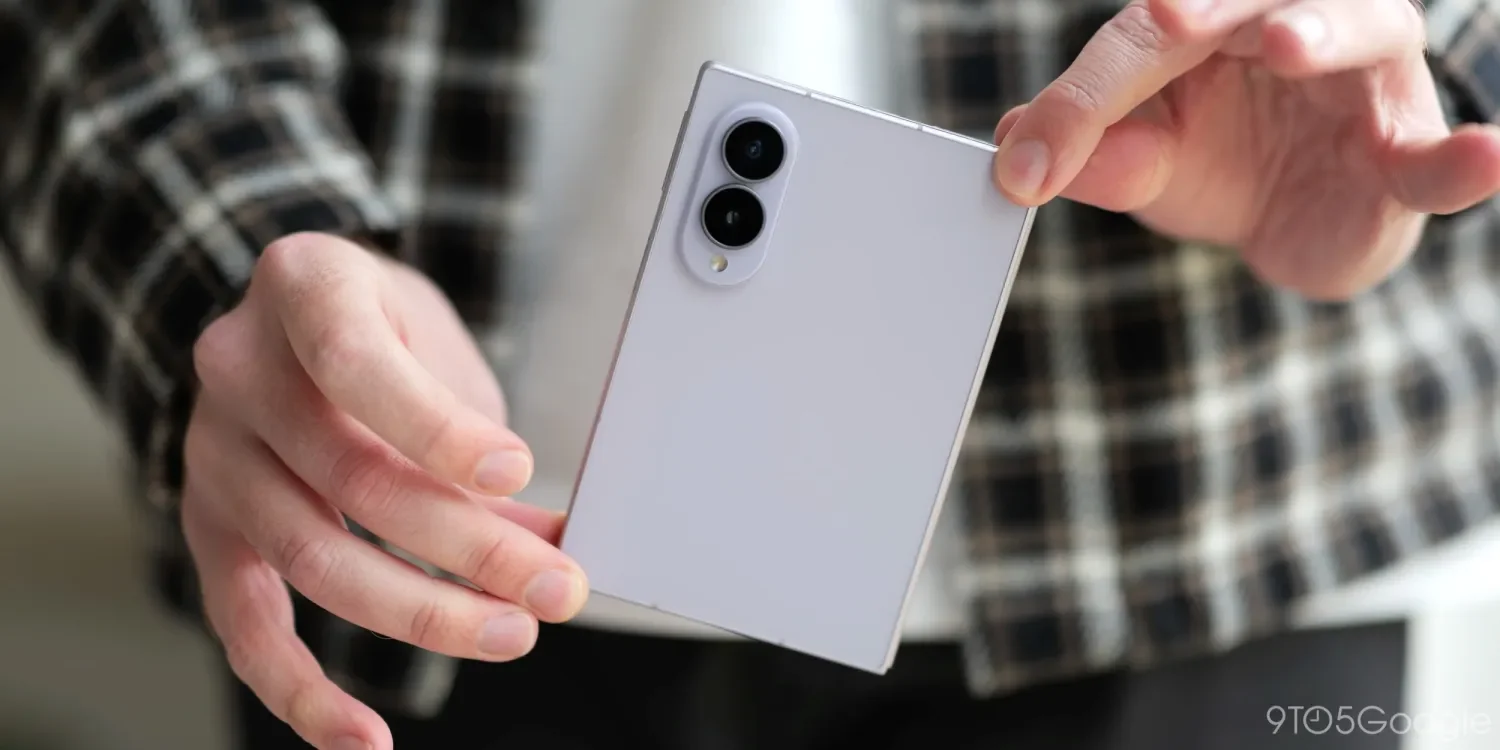
Sales of Samsung's newest book-style foldable have climbed despite a wave of complaints about durability, a pattern that says a lot about how buyers weigh risk against...
Sales of Samsung's newest book-style foldable have climbed despite a wave of complaints about durability, a pattern that says a lot about how buyers weigh risk against novelty. The handset remains expensive and delicate, yet demand has held up better than critics expected. Retail data suggests buyers are weighing the form factor against its known weaknesses and accepting the trade.
The context is a rival launch that has been dominated by talk of cracked screens and repair costs. When a competitor's problems fill the conversation, the incumbent benefits, even if its own design shares the same fundamental fragility. Attention shifts from category weaknesses to specific failures. Repair costs remain high, and extended coverage is worth considering for anyone who plans to use the device daily.
The lesson is familiar from earlier hardware cycles: buyers tolerate compromise when the experience is distinctive enough. Foldables still offer something a slab cannot, and that advantage appears to outweigh warnings about hinges, dust and repair bills, at least for the audience already shopping in this price bracket. Competitors will study the pattern closely, since it suggests durability concerns do not automatically suppress demand.